Dog Dental Chews: Natural Defense Against Plaque
Author:Arooba
Released:November 18, 2025
Does a dog's breath smell unbearable during cuddle time? That stench isn't random, it signals trouble. Statistics show 80% of dogs develop dental problems by age three, yet most owners assume brushing is the only fix. Wrong. Quality dental chews tackle plaque just as effectively, minus the wrestling match.
Yellow buildup and inflamed gums happen gradually. Bacteria feast on food particles after meals, creating plaque within hours. Left alone, that sticky film hardens into tartar, triggering infections that spread beyond the mouth. Heart and kidney complications often follow untreated dental disease. Dog dental chews interrupt this cycle before damage occurs.
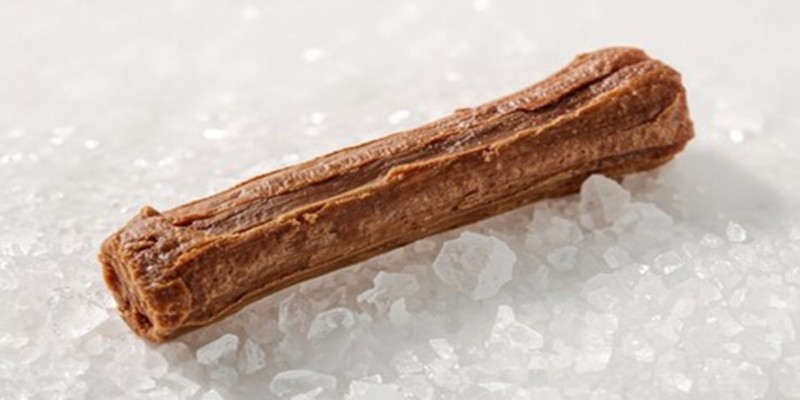
What Makes Dog Dental Chews Work
Plaque doesn't wait around. Within six hours of eating, bacterial colonies establish themselves on tooth surfaces and below the gum line. Properly designed dental treats physically scrape away this accumulation through abrasive contact during chewing.
The best dental treats for pets pair mechanical action with enzyme formulations that attack bacteria chemically. Chlorophyll handles breath odor while textured surfaces reach crevices brushes miss. Not all products deliver, though; grocery store "dental" biscuits often lack any real cleaning capability.
Key features that separate functional products from impostors:
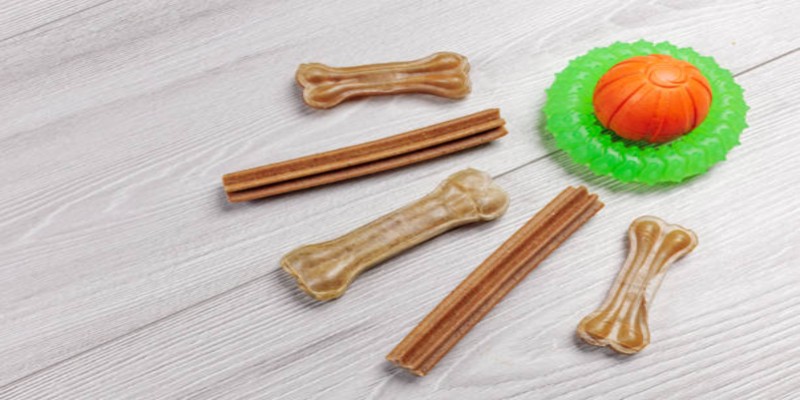
Abrasive texture: Firm enough to create scrubbing friction but flexible enough to bend slightly without cracking teeth
Breed-appropriate sizing: Forces extended chewing rather than gulp-and- swallow behavior
Minimal processing: Short ingredient lists with recognizable components, zero artificial colors or sweeteners
Strategic shaping: Ridges, grooves, or bristle patterns that contact front teeth, molars, and gum margins simultaneously
Rawhide alternatives made from sweet potato or yucca root satisfy heavy chewers without digestive drama. Dogs with sensitive stomachs handle these plant-based options better than traditional animal hide products.
Identifying Vet Approved Oral Care Products
The Veterinary Oral Health Council puts products through actual testing, not marketing surveys. Their seal confirms a dental chew reduced plaque or tartar in controlled feeding studies using real dogs, not lab simulations.
Dog dental chews carrying VOHC approval underwent weeks of trials measuring bacterial accumulation against control groups. This third-party verification matters because pet store shelves overflow with unproven claims.
Shopping checklist for legitimate vet approved oral care items:
VOHC seal displayed: Proves clinical testing occurred
Natural base ingredients: Sweet potato, vegetable glycerin, or rice starch instead of mystery "meat meal."
Enzyme coating: Keeps working after chewing stops, breaking down bacteria for hours
Appropriate density: Thumbnail pressure should create a small indent, rock- hard products crack enamel
Enzyme technology extends benefits beyond the chewing session. Specific proteins continue dissolving bacterial colonies long after the dog finishes the treat, providing hours of additional protection.
Hardness errors cause expensive problems. Antlers, hooves, and nylon bones frequently fracture teeth, leading to extractions under anesthesia. The best dental treats for pets balance durability against safety, lasting 10-15 minutes without requiring excessive bite force.
Plaque Reducing Toys for Daily Maintenance
Treats handle deep cleaning, but plaque reducing toys maintain results between sessions. These interactive options engage dogs mentally while providing supplemental oral care.
Rope toys function like oversized dental floss. As dogs tug and shake, individual fibers slip between teeth, dislodging trapped food particles. Wetting and freezing rope toys creates soothing relief for teething puppies while doubling the cleaning effect.
Rubber toys with raised nubs massage inflamed gums while scrubbing surface stains. Hollow center designs accept small amounts of enzymatic paste, turning play sessions into active treatment. Dogs don't distinguish between toys and dental tools, they just know something tastes good and feels satisfying to gnaw.
Combining approaches works better than relying on one method. Best dental treats for pets provide intensive plaque removal once daily. Toys maintain cleanliness during the remaining hours when bacteria attempt to recolonize tooth surfaces.
Water-additive toys slowly release antimicrobial solutions as dogs chew. This continuous delivery system fights bacteria throughout the day rather than in one concentrated burst. For dogs who reject traditional chewing, these provide passive protection.
Creating Daily Dental Routines Dogs Tolerate
Random dental care accomplishes little. Consistent timing, even with simple methods, produces dramatically better outcomes than sporadic intensive efforts.
Morning post-breakfast timing works well. Bacterial activity peaks after meals, making this the optimal window for dog dental chews. The routine also becomes a predictable reward, encouraging cooperation.
Afternoon play naturally incorporates toys. A fifteen-minute tug session with a rope toy cleans teeth while burning energy. Dogs don't need separate "dental time" when the right toys get rotated into regular activities.
Evening relaxation suits long-lasting chews. Products requiring 10-15 minutes to finish provide thorough cleaning while the household winds down. This timing also prevents overnight bacterial growth that causes morning breath.
Weekly rotation maintains interest and coverage. Monday gets textured sticks, Wednesday features rope toys, and Friday brings rubber nubs. Different surfaces target different tooth areas, preventing any spots from accumulating excessive buildup.
Older dogs adapt to new routines surprisingly fast. Patience matters more than perfect execution. Starting small and building gradually beats attempting comprehensive protocols that collapse within days.
What to Skip and Why
Marketing claims don't guarantee safety. Certain popular products create more veterinary emergencies than they prevent.
Common mistakes that lead to problems:
Anything harder than the thumbnail test allows: Bones, antlers, hard nylon, all frequent causes of fractured teeth
Wrong size selection: Small pieces become choking hazards; oversized products frustrate dogs into quitting
Cheap ingredients: Artificial colors, chemical preservatives, and unnamed "meat by-products" signal low-quality manufacturing.
Zero supervision: Even safe products need observation during initial use to gauge individual chewing style
Warning signs demand veterinary attention immediately. Persistent foul breath despite using vet approved oral care products suggests an existing infection. Reluctance to eat hard food, facial pawing, visible brown crusts, or bleeding gums indicate disease beyond the prevention stage.
These symptoms require professional treatment, antibiotics, scaling under sedation, and possibly extractions. The best dental treats for pets prevent problems, but cannot reverse established disease.
Long-Term Dental Health Strategy
Prevention beats treatment every time. Dog dental chews establish the foundation, supported by plaque-reducing toys and annual professional cleanings. This combination keeps most dogs' teeth functional throughout their lifespan.
Healthy mouths improve quality of life noticeably. Dogs eat comfortably, play enthusiastically, and avoid chronic pain from infected gums. Treatment costs for advanced dental disease, anesthesia, extractions, and antibiotics far exceed prevention expenses.
Find VOHC-approved dental chews matching the dog's size and chewing intensity. Add appropriate toys for between-meal maintenance. Schedule annual vet exams to catch problems early. That's the complete strategy, straightforward, affordable, effective.
Related Posts
Homemade Pupsicles: The Easiest Way to Cool Down Your Dog This Summer

Cat Sleep Positions Explained: What Each Pose Really Means

Urban Dog Walking Made Easy: Organize, Gear Up, and Socialize

Adopting a Cat in 2026: Costs, Prep & Finding the Right Match

Smart Flea Prevention Strategies for Year-Round Protection